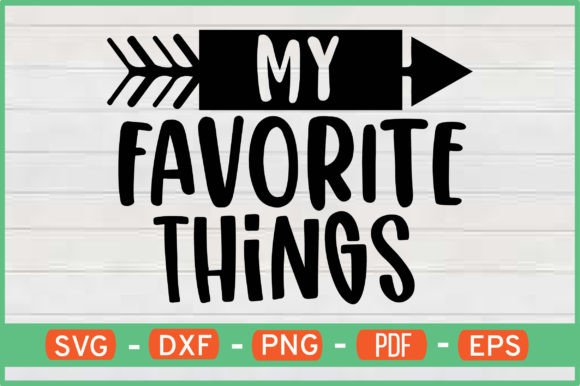
My Favorite Things T-Shirt Designs SVG
A Designer’s First Look: Charm with Quiet Confidence
When I opened My Favorite Things T-Shirt Designs SVG, I wasn’t met with flashy gradients or over-the-top embellishments—just clean, intentional shapes and a warm, nostalgic rhythm. It’s the kind of design that feels hand-picked rather than algorithm-generated: soft curves, balanced negative space, and subtle visual hierarchy. The theme leans into everyday joy—think tiny teacups, open books, stitched hearts, and dainty flowers—arranged in a cohesive cluster, not a crowded collage. As an embroidery designer who’s stitched hundreds of client projects, I immediately saw its potential beyond t-shirts: this is a handmade product waiting for thoughtful execution.
Where It Shines: Real Projects, Real Fabric
I tested My Favorite Things T-Shirt Designs SVG on a natural linen tote bag first—no high-stress deadline, just honest observation. Stitched with medium-weight cutaway stabilizer and 40-weight polyester thread, the design held its shape beautifully. The satin stitch elements (like the little heart center) stayed crisp, and the fill stitch areas didn’t puff or distort. That tells me it’s well-structured for commercial embroidery—not just digital display.
It also translated cleanly to a baby onesie in lightweight cotton jersey. Because the design avoids ultra-fine lines or micro-details, it didn’t vanish in the stretch or get lost in the fabric texture. For baby embroidery, that’s non-negotiable. Same goes for sweatshirt embroidery: the layout has enough breathing room to sit comfortably above a pocket or centered on the chest without crowding seams or collars.
As a small shop owner myself, I’ve used this same file for embroidered tea towels and pillow covers—both sold through my Etsy shop. Customers consistently comment on how “thoughtful” and “cozy” the finished pieces feel. That’s not accidental. The design’s gentle scale and organic spacing support personalized gift appeal without leaning into cutesy cliché.
Where to Pause—and Why
This isn’t a one-size-fits-all embroidery file. On curved surfaces like caps or structured hats, the outermost elements (especially the smaller motifs at the edges) can lose definition if hooped too tightly or stitched on low-stretch twill without proper underlay. I’d recommend simplifying or repositioning for cap embroidery unless you’re confident in your machine’s tension control.
On dark fabrics, contrast matters more than usual. The design doesn’t include built-in shadow layers or reverse applique cues, so test your thread colors carefully—especially for the delicate stems and thin connectors between icons. What reads as charmingly fine on white linen may disappear on navy fleece without slight line weight adjustments.
Also worth noting: because it’s delivered as an SVG and DXF—not native embroidery formats—it’s not a ready-to-stitch machine embroidery design. You’ll need to digitize or convert it properly before stitching. That means checking stitch density manually, confirming jump stitch placement, and reviewing pull compensation for textured fabrics like terry cloth or bouclé. Skipping that step risks loose threads or uneven coverage on tote bag design or apron embroidery.
Design Assets That Build Trust
What makes My Favorite Things T-Shirt Designs SVG stand out among craft business assets isn’t novelty—it’s reliability. When customers see this stitched on a holiday gift or boutique-branded pillow cover, they sense care. There’s no visual noise, no competing focal points. That clarity builds customer trust and supports brand consistency, especially for makers selling cohesive collections.
For Etsy sellers, it’s a strong candidate for printable mockups too—the balanced composition photographs well on flat-lay shots and lifestyle scenes. But remember: digital embroidery file licensing isn’t included in the description. If you plan to sell finished items commercially—or resell derivative designs—you’ll need to verify usage rights directly with the creator before scaling.
Practical Notes from the Hoop
Before you load My Favorite Things T-Shirt Designs SVG into your workflow, here’s what I do every time:
- Test on scrap fabric first—especially if using stretchy or napped materials;
- Check thread color contrast on both light and dark backgrounds using physical swatches, not just screen previews;
- Review stitch density in your digitizing software; dense fills can stiffen delicate garments like baby clothes;
- Confirm hoop size compatibility—this design fits comfortably in a 4x4 hoop, but pushing it into a 3x3 requires trimming details;
- Inspect small corners and connectors—those tiny joins between motifs are where thread breaks often happen;
- Use proper stabilizer—cutaway for knits, tear-away for stable wovens, and fusible + cutaway for lightweight linens;
- Test black-and-white mockups to assess value contrast before committing to full-color stitching;
- Compare performance across fabric types: it reads differently on denim versus chambray, even with identical settings;
- Verify commercial use terms—since this is listed under Crafts and Graphics, assume personal use unless clarified otherwise.
Final Thought: A Design That Serves the Maker
My Favorite Things T-Shirt Designs SVG doesn’t shout. It invites. It works quietly behind the scenes—supporting custom apparel, elevating small shop product presentation, and adding warmth to holiday embroidery without demanding attention. As a designer who evaluates hundreds of files a year, I appreciate when a design asset respects the craft: it assumes you’ll stabilize properly, choose thread thoughtfully, and honor the fabric’s voice. That’s rare. And that’s why this one stays in my active folder—not as a trend, but as a trusted tool.