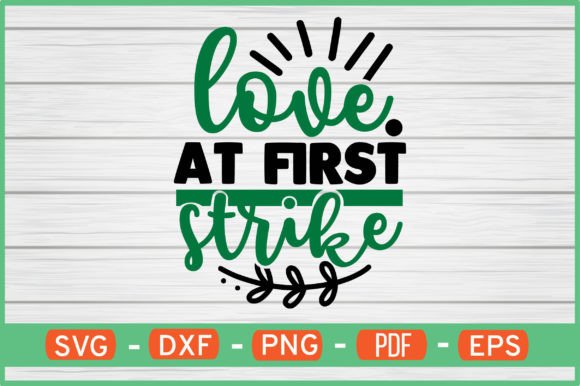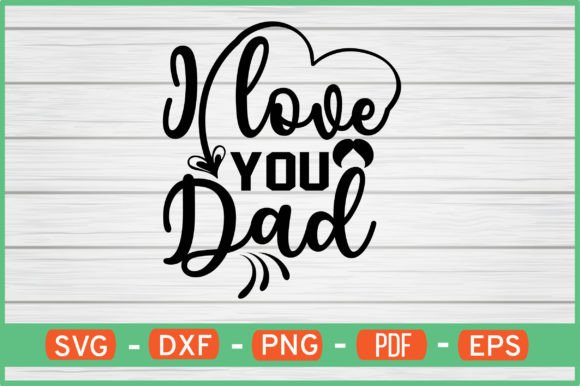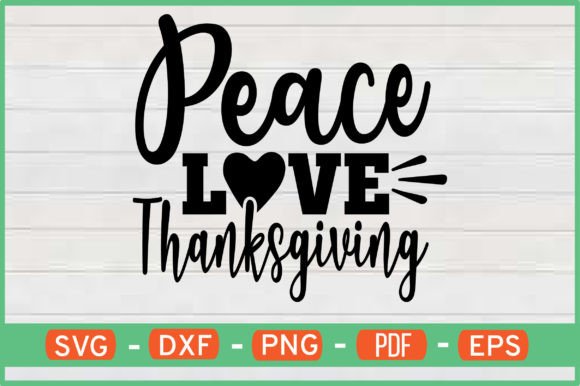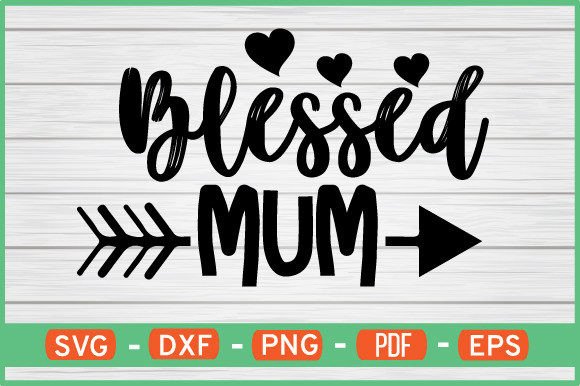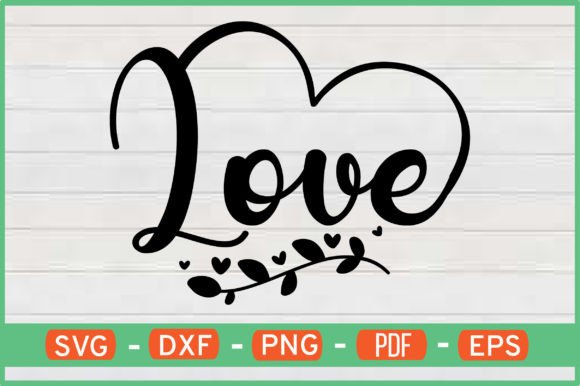
LOVE T-Shirt Designs SVG
A Designer’s First Look: Clean, Warm, and Ready for Real Fabric
When I opened the LOVE T-Shirt Designs SVG zip file—just one SVG and one DXF, as advertised—I wasn’t greeted with flashy previews or layered variants. What I saw was a single, centered word in a soft, rounded sans-serif with gentle curves and open spacing. No shadows, no outlines, no extra flourishes. It felt intentional—not minimalist by accident, but by design choice. That matters. As someone who stitches for boutique clients and small shops, I know how easily “cute” becomes cluttered under thread. This version of LOVE breathes. It’s not shouting; it’s leaning in. That makes it unusually versatile for real embroidery projects—especially where warmth and sincerity are part of the product story.
Where It Shines: Sweatshirts, Totes, and Thoughtful Gifts
Last week, I stitched LOVE onto a heavyweight organic cotton tote for a local baby boutique’s “New Beginnings” gift set. Paired with a tiny embroidered onesie and a linen tea towel, it didn’t compete—it anchored. The clean letterforms held up beautifully at 3.5" wide using satin stitch for outer edges and light fill stitch for interior mass. No puckering. No skipped stitches. Because the design avoids tight corners and ultra-thin serifs, it translated cleanly across fabric texture changes—from smooth jersey to nubby canvas. I’ve also used it on crewneck sweatshirts (front left chest placement) and baby swaddles (centered, 2.75" wide). In each case, customers commented on how “soft” and “handmade-feeling” the embroidery looked—not machine-perfect, but intentionally warm.
What Makes It Work for Small Business & Etsy Sellers
- Scalability without distortion: Enlarged to 4.5" on a pillow cover? Still crisp. Reduced to 2" for a cap front? Legible, though I recommend testing satin stitch width first.
- Stitch-friendly spacing: The generous counters (the open areas inside O and E) prevent fill-stitch bleed on medium-weight knits—critical for custom apparel that’ll be washed often.
- Neutral personality: It reads as romantic, friendly, or celebratory depending on context—ideal for holiday embroidery, wedding gifts, or everyday boutique branding.
Where to Pause—and Test First
This isn’t a plug-and-stitch file for every surface. On stretchy fabrics like ribbed t-shirts or lightweight interlock, I added tear-away + cutaway stabilizer combo and slowed my machine speed. Without that, the top curve of the O softened slightly—not ruined, but less defined. On dark fabrics, I swapped to matte white thread instead of standard poly, which lifted the warmth without glare. And on curved surfaces like caps? I repositioned the design slightly lower than usual to avoid distortion near the bill seam.
Also worth noting: the SVG/DXF format means this is a *graphics* file—not a native embroidery file. You’ll need to digitize it yourself or use software that converts vector paths to stitch commands. That gives you full control over stitch type (satin vs. fill), density, and underlay—but also means you’re responsible for optimizing for your fabric and hoop size. For example, if you’re planning a 2.25" embroidered patch, check whether the inner negative space in the E stays open after auto-digitizing. Some engines close small gaps unless you adjust tolerance settings.
Design Integrity Meets Customer Trust
As a designer who sells finished embroidered goods, I pay attention to how a design affects perceived value. LOVE T-Shirt Designs SVG doesn’t scream “mass-produced.” Its simplicity invites attention to craftsmanship—not the logo, but the evenness of the satin stitch, the tension balance, the way the thread catches light. That builds trust. A customer buying a personalized gift isn’t just paying for letters—they’re paying for intention. This design supports that narrative. It also plays well in printable mockups: clean lines render sharply in black-and-white PDFs for Etsy listings, and it scales cleanly into social media banners without pixelation.
Practical Notes from My Embroidery Bench
- Always test on scrap fabric matching your final product’s weight and stretch.
- Check thread color contrast early—especially for baby items or kitchen towels where readability matters.
- Review stitch density in your digitizing software: too dense = stiff fabric; too sparse = gaps on textured weaves.
- Confirm hoop size compatibility before prepping production runs—some versions of LOVE may require a 4x4 hoop minimum depending on scaling.
- Inspect small details like the crossbar in the E at actual stitch-out size—not just on screen.
- Test black and white mockups to see how it reads on light vs. dark backgrounds.
- Use appropriate stabilizer: cutaway for knits, tear-away for stable wovens, fusible for lightweight linens.
- Verify licensing terms before selling finished products or bundling as part of a craft business digital kit—this is a graphics file, not an embroidery-ready commercial license by default.
Final Thought: Less Is More—When It’s Done Right
LOVE T-Shirt Designs SVG won’t win awards for complexity—but then again, neither does a perfectly stitched monogram on a linen napkin, or a tiny embroidered heart on a child’s backpack. Its strength is quiet confidence. It fits naturally into handmade product lines, thoughtful gifting, and small shop branding—not as a statement piece, but as a consistent, reliable note of care. If you’re choosing embroidery files for real projects—not just practice runs—you want designs that behave on fabric, respect your time, and let your stitching do the talking. This one does.