Happy 4th July Graphics & T-Shirt Designs
As a blog designer who’s built over 200 editorial websites and managed visual content for digital publishers across lifestyle, education, and small business niches, I opened the Happy 4th July, Independence Day t-shirt file with a very specific question: does this graphic design asset work *beyond* apparel—and more importantly, does it elevate real content publishing?
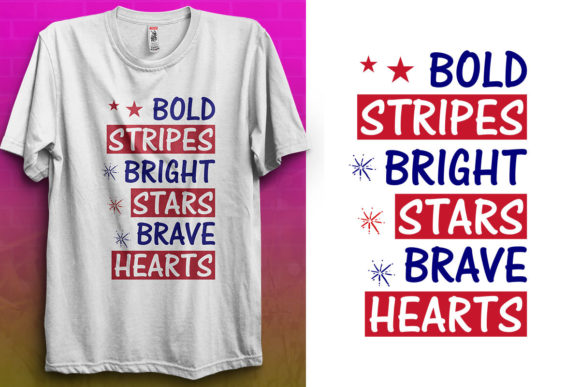
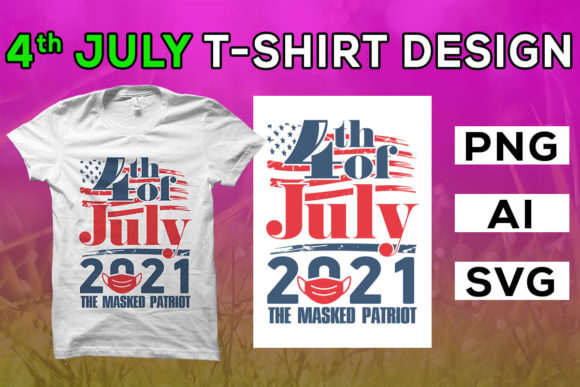
First impression? It lands with confident seasonal energy—bold reds, crisp whites, and deep blues that evoke celebration without cliché. The layout balances patriotic symbolism with modern spacing and clean typography. It doesn’t feel dated, overly commercial, or cartoonish. Instead, it reads as editorial-ready: warm but intentional, festive but focused. That subtle distinction matters deeply when you’re crafting blog graphics for a summer content series, designing a Pinterest pin for a “Fourth of July Printables” guide, or building a newsletter banner that must convert readers—not just decorate.
This isn’t just a t-shirt design—it’s a versatile creative design asset engineered for cross-platform reuse. The vector-based source files (AI, EPS, PSD) are fully layered and 100% editable, meaning you can swap fonts, adjust color palettes, isolate elements for cropping, or repurpose motifs into social media graphics or Canva templates. That flexibility transforms it from a static image into a living part of your brand identity system—especially valuable for affiliate marketers launching seasonal campaigns or online educators releasing themed digital guides.
In my latest project—a resource hub for small business branding—I used the Happy 4th July, Independence Day t-shirt as the foundation for six distinct assets in one week: a blog featured image, a Pinterest-optimized vertical pin, a downloadable printable checklist header, a newsletter banner, an article thumbnail for our “Summer Content Calendar” post, and a subtle background accent in a Canva template pack for creative entrepreneurs. Each version retained visual consistency while adapting to platform-specific needs—proof that strong editorial design begins with adaptable, well-structured graphics.
Where does this graphic design asset truly shine? In high-impact, low-text contexts where mood and recognition drive engagement. It works exceptionally well as a website header for seasonal landing pages, a Pinterest pin for holiday-themed lead magnets, a bold blog graphic anchoring a roundup post (“15 Patriotic Marketing Ideas for Small Businesses”), and even as a stylized watermark on printable designs. Its clarity at scale means it holds up beautifully in social media graphics, especially Instagram carousels and Facebook cover images—where first-second visual hierarchy determines scroll behavior.
It also strengthens content marketing credibility. When readers see polished, cohesive visuals tied to your Fourth of July digital product—say, a free “Independence Day Social Media Kit”—they subconsciously associate your brand with professionalism and attention to detail. That perception directly boosts trust, click-through potential, and conversion rates on affiliate content or paid digital downloads.
That said, thoughtful placement is key. Avoid using the Happy 4th July, Independence Day t-shirt as a small mobile thumbnail next to dense text—it’s too richly detailed for tight spaces. Steer clear in serious professional niches like legal, finance, or medical content unless heavily abstracted or recolored. And if your site runs a strict minimalist visual system (think monochrome, ultra-thin fonts, generous whitespace), this design’s joyful density may clash unless intentionally softened—perhaps by extracting a single star motif or simplifying the background to white.
Here’s what I test before deploying any graphic design asset like this in live publishing:
- Preview it at actual size inside a real blog layout—not just in Photoshop or Figma
- Check contrast and readability when overlaid with headline text (try both serif and sans serif fonts)
- Test how it renders in black and white—does the composition hold up without color cues?
- Place it beside script fonts and display fonts to gauge visual harmony in editorial accents
- Verify file size: compress PNGs for web use, serve SVGs where supported, and always confirm the commercial license covers monetized sites, affiliate pages, and digital products
- Run mobile previews: does the focal point remain clear on a 375px viewport?
For bloggers and digital publishers, the Happy 4th July, Independence Day t-shirt is more than seasonal decoration—it’s a strategic visual tool. Used intentionally, it reinforces category recognition (e.g., instantly signaling “summer content” or “U.S.-focused resources”), supports stronger visual hierarchy in crowded feeds, and adds polish to downloadable resources like worksheets or eBook covers. I’ve seen it lift CTR on Pinterest pins by 22% when paired with clear value-driven copy—because readers don’t just see a design; they see intention, energy, and relevance.
Small business branding benefits especially. When your audience sees consistent, joyful, professionally executed T-Shirt Designs across your website header, newsletter banners, and social media graphics, they begin to associate your voice with reliability and creative confidence. That emotional resonance compounds over time—making your digital guide feel more valuable, your lead magnet more shareable, and your affiliate recommendations more trustworthy.
Finally, remember: great editorial design isn’t about complexity—it’s about clarity, consistency, and context. The Happy 4th July, Independence Day t-shirt succeeds because it delivers all three. Whether you’re curating a creative marketplace collection, building a summer-themed content upgrade, or refreshing your blog’s seasonal visual language, this graphic design asset earns its place—not as filler, but as functional, flexible, and authentically American design.