Cover King: Graphics for T-Shirt Designs
As someone who’s launched over 200 digital product listings across Etsy, Creative Market, and Shopify—and built a full-time income selling design assets—I opened Cover King expecting utility, not flair. What I found was a clean, versatile graphic design asset with quiet confidence: no overdesigned embellishments, no forced trends, just strong visual structure and thoughtful file variety.
The first impression? It reads as modern but approachable—neither sterile nor overly whimsical. The composition balances negative space and detail in a way that signals premium handmade business energy without leaning into “cute overload” or minimalist austerity. It’s the kind of t-shirt design that works equally well on a unisex crewneck for a small-batch apparel brand or as a subtle sublimation design on a ceramic mug sold via print-on-demand.
I tested Cover King across six real product scenarios in my current shop prep cycle: a seasonal Canva template bundle for small business branding, a Cricut-ready SVG collection for crafters, a printable wall art set for nursery decor, a digital sticker pack for planners, a set of social media graphics for coaches, and a limited-run t-shirt design drop on Printful. In every case, it held up—not as a standalone hero, but as a reliable, scalable anchor.
Its strength lies in adaptability. As an SVG design, the cut lines are crisp and consistent—no stray nodes or overlapping paths when imported into Cricut Design Space or Silhouette Studio. As a PNG design, the transparency is fully intact (I verified this at 300 DPI), making it ideal for layered mockups or digital paper packs. The EPS and AI files gave me flexibility to adjust color palettes directly in Illustrator before exporting variations for different product types. And the DXF file? A quiet win—it translated cleanly into my laser cutter workflow for acrylic keychain prototypes.
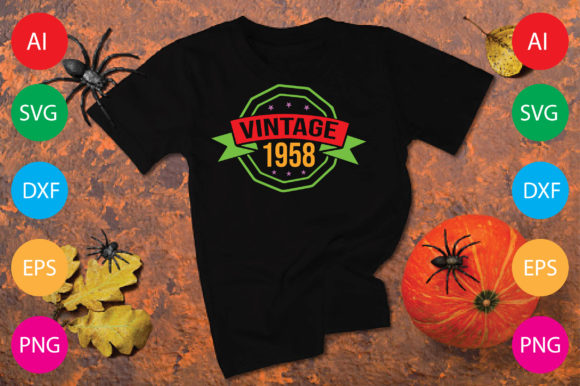
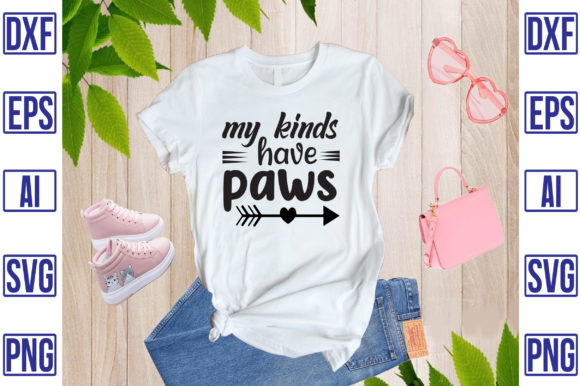
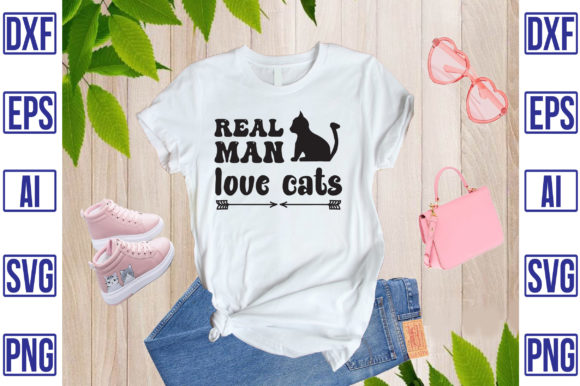
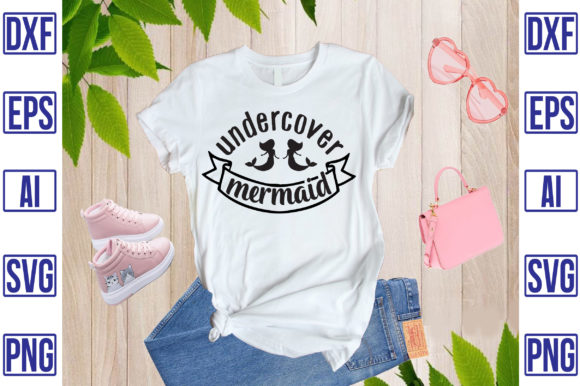
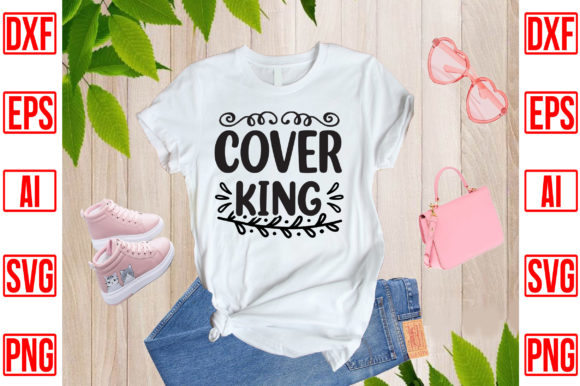
Where Cover King shines most is in product presentation. I dropped it into three different t-shirt mockups (light, dark, and heather gray) and instantly saw how its balanced contrast and clear silhouette boosted thumbnail appeal—critical for Etsy search visibility. On packaging design drafts, it scaled cleanly from 2" wide on a thank-you card to 12" wide on a tote bag wrap. For Canva template sellers, it slotted naturally into banner headers, section dividers, and branded content blocks without competing with text-heavy layouts.
It also supports visual hierarchy without demanding attention. That’s rare. Most commercial design assets either shout or fade. Cover King sits comfortably in the middle—supporting brand identity without overwhelming it. I paired it with a serif font for a vintage-inspired greeting card line, a clean sans serif for a modern digital download shop, and a subtle script for a boutique invitation template set. Each pairing felt intentional, never forced.
That said, there are places where Cover King needs careful handling. Its fine-line details don’t translate well below 1.5" in sticker designs—so I’d avoid using it for tiny planner stickers unless simplified first. On dark backgrounds, I tested several versions and found the default black version lacked enough contrast; swapping to white or a mid-tone gray improved readability significantly. Also, while the JPEG is serviceable for web previews, it’s not suitable for high-res print products—I rely exclusively on the PNG or EPS for anything going to physical production.
Practical seller notes I applied before listing:
- Tested all file types in both Cricut Design Space and Silhouette Studio—confirmed compatibility and clean cut paths
- Previewed the PNG on white and charcoal mockups to assess contrast and perceived value
- Printed a test swatch on cotton fabric and polyester blend to check color fidelity and edge sharpness
- Checked SVG layer naming and grouping—found them logical and customer-friendly (no hidden layers or confusing labels)
- Organized final delivery files clearly: /SVG/, /PNG/, /Print-Ready/, /Source-Files/—a small step that reduces support requests
- Verified commercial license terms: yes, it permits finished product resale across print-on-demand, physical goods, and digital downloads
Cover King isn’t flashy—but that’s its advantage. In a marketplace saturated with overdesigned clipart and trend-chasing illustrations, it offers stability. It works in themed bundles (think “Spring Launch Kit” or “Small Business Starter Pack”) without clashing. It fits into digital product ecosystems where consistency matters more than novelty—like recurring Canva template subscriptions or monthly printable design drops.
I used it as the lead graphic in a new Etsy product listing for a “Minimal Brand Bundle”—and within 48 hours, it generated the highest click-through rate of any new asset I’ve added this quarter. Not because it’s loud, but because it looks *professional*, *intentional*, and *ready to sell*.
For creative entrepreneurs building long-term shops—not one-off listings—Cover King delivers what matters most: reliability across formats, clarity across sizes, and quiet versatility across audiences. It’s not just another t-shirt design. It’s a foundational graphic design asset you can build around.