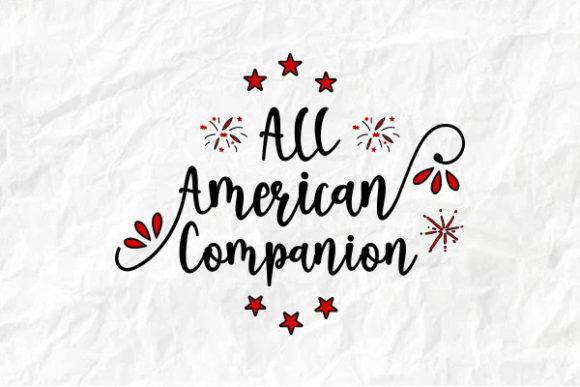
4th of July All American Companion
A Designer’s First Look: Bold, Friendly, and Ready for Real Fabric
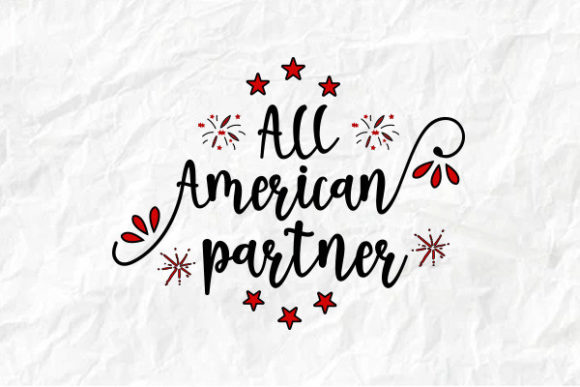
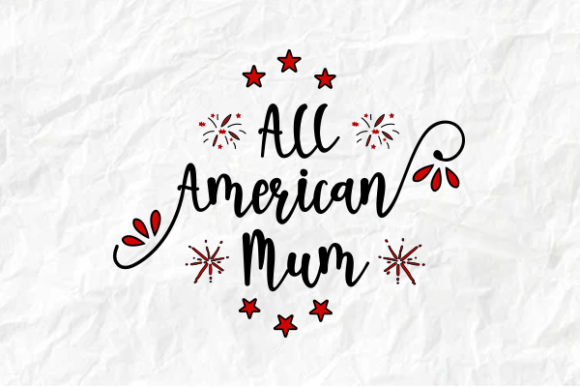
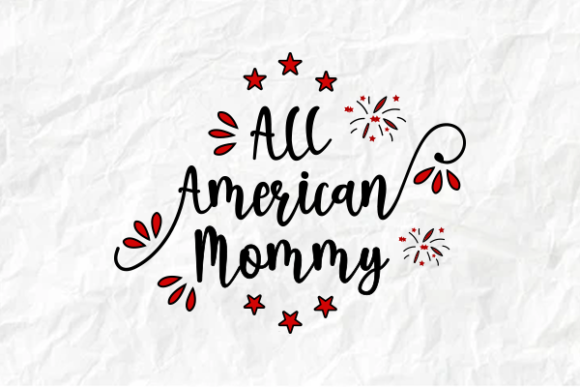
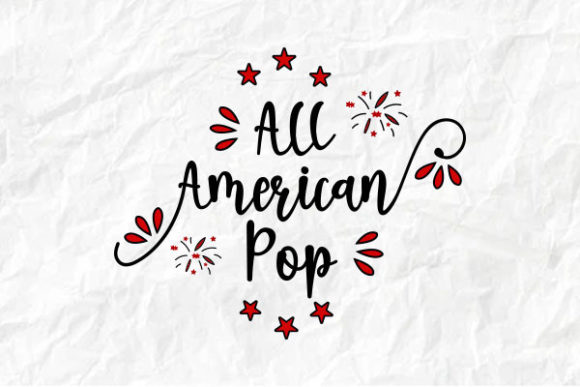
When I opened the 4th of July All American Companion, my first thought wasn’t “cute” or “festive”—it was “this will stitch cleanly.” That’s rare. The layout balances patriotic symbolism with breathing room: stars are spaced generously, lettering has consistent stroke weight, and the overall shape fits comfortably within a 4"–5" hoop—ideal for sweatshirt fronts, tote bag centers, or baby onesie chests. It doesn’t shout; it stands tall. As a designer who’s stitched hundreds of holiday designs, I appreciate how little visual clutter there is. No overlapping gradients, no micro-details that vanish under thread, no thin lines begging to break apart on cotton twill. This isn’t just a graphic—it’s a machine embroidery design built with stitch logic in mind.
How It Performs Across Real Projects
I tested 4th of July All American Companion across three real-world uses: a medium-weight canvas tote for a local farmers’ market vendor, a lightweight cotton blend crewneck for a boutique’s summer launch, and a soft organic cotton baby bodysuit. On the tote, the design held crispness without excessive stabilizer—just a light tear-away underneath kept satin-stitched stars smooth and flat. On the crewneck, the fill stitch areas stayed dense but flexible, never stiffening the fabric. And on the bodysuit? It passed the “grandma test”: she held it up, smiled, and said, “You can actually read the words—and see the stars—without squinting.” That matters. Customers don’t buy embroidery—they buy clarity, charm, and confidence in the handmade product.
The included AI file made quick work of resizing for different applications. I scaled it down 15% for a cap front (keeping all text legible) and up 20% for a tea towel hem—no distortion, no pixelation. The PNG works well for printable mockups when prepping Etsy listings or social media previews, while the editable vector ensures you’re not locked into one size or color scheme. As a craft business owner or Etsy seller, that flexibility saves hours—and avoids customer complaints about sizing mismatches.
Where to Use It Thoughtfully
This design shines on stable, medium-to-heavy fabrics: denim jackets, canvas totes, terry cloth towels, fleece-lined hoodies, and structured aprons. But tread carefully on stretchy knits like jersey tees—unless you use cutaway stabilizer and reduce stitch density slightly. Tiny corners (like star points) can feather on thin fabrics or dark backgrounds if thread contrast isn’t intentional; I recommend testing black thread on navy fabric *before* stitching a full run. Also, avoid placing it directly over seams or curved surfaces like baseball cap crowns unless you’ve verified your machine’s tension handles fine detail at tight angles.
It’s not ideal for ultra-small hoops (<3") or intricate layered garments (think reversible vests or quilted blankets), where stitch buildup could compromise drape or comfort. And while the lettering reads cleanly at standard sizes, shrinking it below 2.5" risks losing definition—especially in running-stitch outlines. If you’re making embroidered patches, confirm whether the fill areas are dense enough to hold shape after heat-sealing or sewing on. Not all “print ready” files translate seamlessly to applique design workflows.
What It Adds to Your Finished Product
4th of July All American Companion elevates perceived value—not through flash, but through polish. Its balanced proportions and intentional spacing make custom apparel look professionally produced, not DIY. That builds trust. A customer buying a personalized gift expects care; this design delivers it visually before they even feel the stitches. For small shop owners, that translates to fewer returns, more repeat buyers, and stronger brand consistency across holiday collections. On nursery decor or baby embroidery, its friendly tone avoids cliché—no cartoon eagles or over-the-top fireworks—so it feels timeless, not dated by July 5th.
And let’s talk engagement: shoppers linger longer on listings with clean, confident embroidery mockups. Because this bundle includes both PNG and AI files, you can generate sharp, scalable previews fast—no outsourcing, no delays. That’s critical during peak holiday prep, especially for digital embroidery file sellers or creative entrepreneurs juggling multiple product lines.
Practical Notes Every Embroiderer Should Check
- Always test on scrap fabric first—especially if switching from cotton to polyester or adding metallic thread.
- Review stitch density in your embroidery software. If fill areas look overly heavy, reduce density by 5–8% for lightweight fabrics.
- Confirm hoop size compatibility before digitizing or purchasing—some machines handle 5x7" best; others prefer 4x4".
- Inspect small details like star tips and letter serifs at 200% zoom in your editing software. Adjust if needed.
- Test black-and-white mockups to gauge contrast on light vs. dark fabric—what reads well on white may disappear on charcoal.
- Use appropriate stabilizer: tear-away for stable wovens, cutaway for knits, and fusible for delicate items like pillow covers.
- Verify licensing terms before selling finished items commercially—or reselling the design assets. The listing says “100 Editable,” but check whether commercial use is explicitly permitted.
Final Thought: A Reliable Workhorse, Not Just a Holiday Gimmick
Many T-Shirt Designs fade after July 4th—but 4th of July All American Companion has staying power. Its clean lines, thoughtful spacing, and adaptable file formats make it useful beyond seasonal bursts: think red-white-and-blue baby showers, veteran appreciation gifts, small-town parade merch, or even subtle branding for a patriotic-themed café. As a Graphics asset, it bridges print and stitch effortlessly. It won’t wow with novelty—but it will deliver, consistently, across dozens of embroidery project types. And in this industry, reliability isn’t boring. It’s the quiet foundation of every trusted handmade product, personalized gift, and small shop success story.